Siena travel guide with information on hotels, restaurants and much more
Siena is the capital of the Italian province of Siena, in the region of Tuscany. 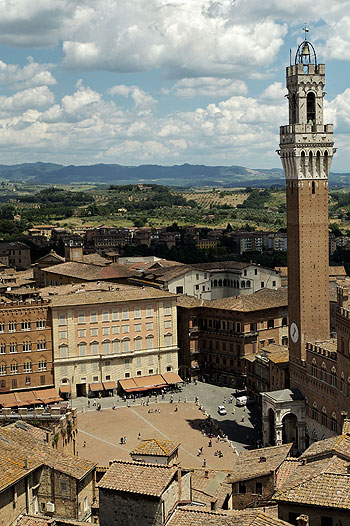 At approximately 70 kilometers away from Florence, the city stretches between the valleys of Arbia, Merse and Elsa Rivers; Siena is surrounded by the Chianti Hills to the North-East, Montagnola to the West and Crete Senesi Hills to the South-East.
The legend says the city was founded by Senio and Ascanio
Siena is recognised as one of the most beautiful cities in Tuscany, thus its historical and cultural heritage is on the UNESCO List. The city preserves its medieval look and atmosphere, since hundreds of years. One can touch the medieval atmosphere by walking on the narrow and tangled streets of Siena.
The old city center holds the most famous and most beautiful touristic attractions.
Piazza del Campo is an extensive open space in the shape of a sea shell, surrounded by majestuous old buildings like Palazzo Publico (Public Palace) and Torre del Mangia (Tower of Mangia); you can relax sitting at a table of the numerous cafes and terraces from the market square, and afterwords you can discover the Dome of Siena, Pinacoteca Nazionale, Santa Maria della Scala Museum Complex, and the many churches and basilicas marked by a Gothic architecture: San Domenico, Basilica Santa Maria dei Servi, Basilica San Francesco.
Our travel guide presents the most beautiful and worth to be visited places and attractions in Siena. You will find accommodation information, restaurants, interactive maps of the city and its districts as well as a very comprehensive photo gallery.
Hotels in Siena
Hotel
Minerva
The Hotel Minerva is situated in the historic center of Siena , it commands a view over the whole town. Its hospitality is rendered unique by the warm welcome and by the outermost…
Hotel
Athena
In the historic centre of Siena, near to Piazza del Campo, famous for the well known Palio, there is Hotel Athena In our website you will see our rooms with the most ample services…
Hotel
Villa Scacciapensieri
The "Villa Scacciapensieri" is a marvellous 19th century Villa set in its own large park and gardens perfectly situated on top of a little hill only 2.5 km north of the medieval…
Hotel
Il Testucchio
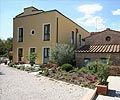
In our residence the guests will be receive by our kind and professional staff, which will help you with any pleasant and useful tourist information: a tour in Chianti Classico and…
Hotel
Moderno
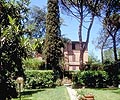
The threestar Hotel Moderno is located near "Porta Ovile" and just in front of the new escalator to the Church of san Francesco, in the historic centre of Siena. The…
Hotel
Antica Torre
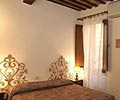
If you want feel and live old Italy, this is the hotel for you. A restored 16thcentury tower within the town walls in the southeast corner of Siena, Hotel Antica Torre…
Hotel
Villa Elda
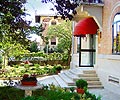
Situated at few steps from Piazza del Campo, Villa Elda awaits you for an enchanting holiday. A wonderful xix century building, always belonged to the same family who manage it, Villa…
Hotel
Sangallo Park
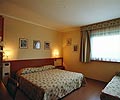
The Sangallo Park Hotel is a new building located on the panoramic Vico Alto’s hill, nearby the historical art tuscany city. Among all hotels in Siena, the Sangallo Park Hotel is…
Residences in Siena
Antica Cicogna
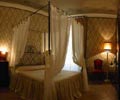
The building which houses the Antica Residenza dates back to the middle ages. Its long life has made it witness many different styles and eras which have contributed to increase its…
Podere Il Pero
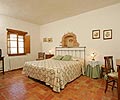
Podere Il Pero" is situated in a charming rural area just near the gates of the city. The farmhouse is completely restored by keeping the original style typical of the Senese countryside…
Antico Uliveto
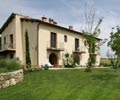
A pure and simple environment, a cosy family reception. We've been running an organic farm since 1992. We're very proud of this, especially because when we began (we were the…
Attractions in Siena
Palazzo Piccolomini
Palazzo Piccolomini is Siena was built in the 15th century in a Renaissance style. It now houses the State Archive. It is located in Terzo di San Martino
Casa-Santuatio di Santa Caterina da Siena
Casa di Santa Caterina is the place where peace seekers visiting Siena go, in order to be inspired by the tranquility and spirit of the Siena-born saint.
Museo dell’Opera del Duomo
Museo dell’Opera del Duomo of Siena showcases historical masterpieces gathered from the city’s cathedral, as well as from other sources.
Siena Cathedral
The Siena Cathedral, called il Duomo by the locals, is the most important place of worship in Siena, home to tens of valuable works of art